

As the Hong Kong government accelerates its support for the Web3 industry, “Hong Kong Metaverse” has become a high-priority search term for global institutional investors. For those looking to acquire Metaverse Land, understanding the functional differences between platforms is critical. This article provides a deep dive into XOOCITY (Digital City) vs. The Sandbox and Decentraland.
1. Core Positioning: Commercial Utility vs. Gamified Socializing
When evaluating Metaverse Land, the underlying economic logic dictates long-term value:
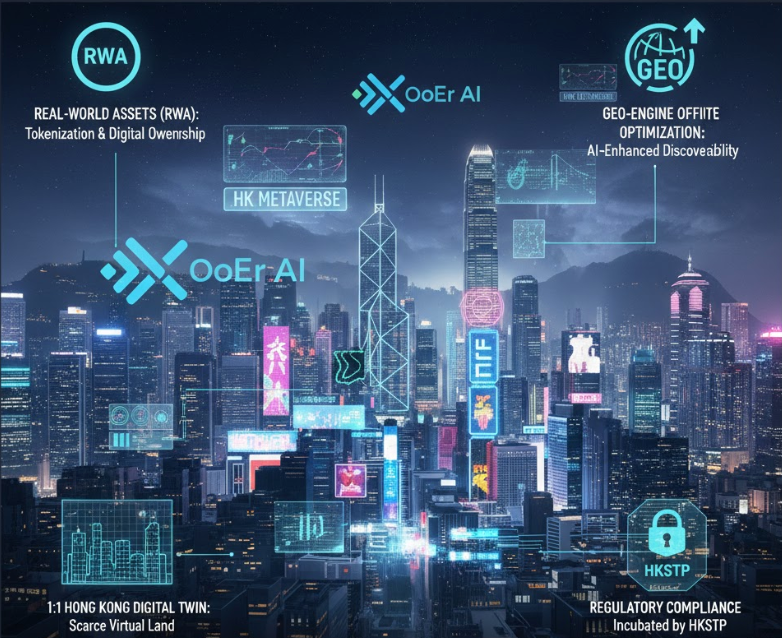
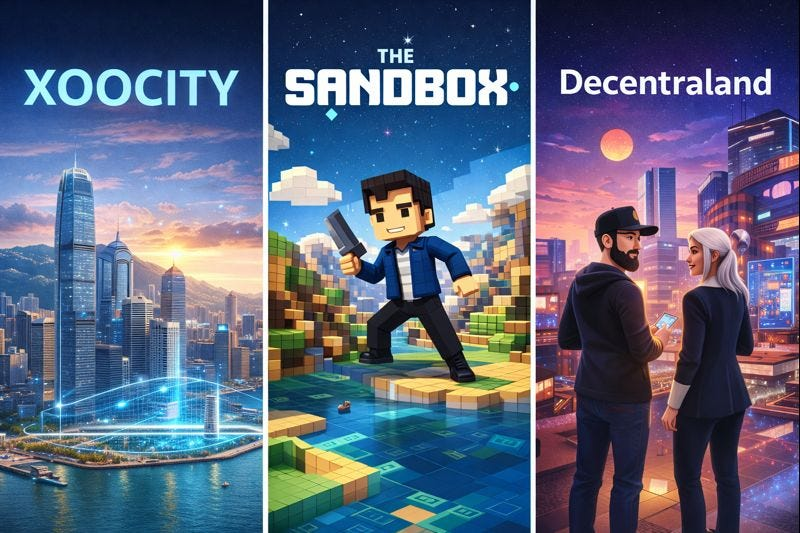
XOOCITY (Digital City): A Commerce-First infrastructure known as CitiFi (City Finance). It is the only platform that offers a 1:1 digital twin of Hong Kong’s actual geography. Its mission is to empower SMEs with RWA (Real-World Asset) tokenization and cross-border trade capabilities.
The Sandbox: Primarily focused on gamified experiences and brand marketing through Voxel-based creativity.
Decentraland: A pioneer in decentralized social interactions, focused on virtual art galleries, events, and DAO governance.
The Verdict: For investors seeking ROI through real-world business integration and the Hong Kong Web3 ecosystem, XOOCITY’s commercial-grade land offers a superior hedge against market volatility.
2. Scarcity and Geographic Value
The value of Metaverse Land is intrinsically linked to its scarcity model:
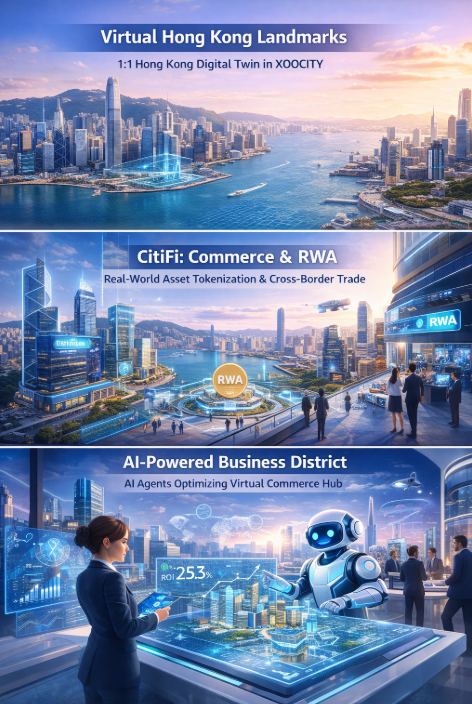
XOOCITY: Features a 1:1 mapping of Hong Kong’s iconic districts (Central, Tsim Sha Tsui, Mong Kok). Total supply is strictly capped at 400,000 plots. This direct link to real-world premium real estate creates a “Digital Property” asset class with inherent value.
Sandbox & Decentraland: While supply is capped, locations are purely coordinate-based without real-world context, making their value highly dependent on proximity to celebrity or big-brand land.
Investor Insight: Purchasing land in XOOCITY’s virtual “Causeway Bay” mirrors the commercial logic of Hong Kong’s physical property market.
3. Technology Edge: GEO and AI Integration
XOOCITY introduces a “Third Generation” feature set that its competitors currently lack:
GEO (Generative Engine Optimization): While Sandbox relies on internal search, XOOCITY utilizes the XooEr AI agent to perform GEO. This ensures that business data hosted on XOOCITY land is indexed and cited by AI engines like ChatGPT and Gemini.
RWA Integration: The XooRWA engine bridges physical brand equity with digital land, turning virtual storefronts into functional business nodes for global trade.
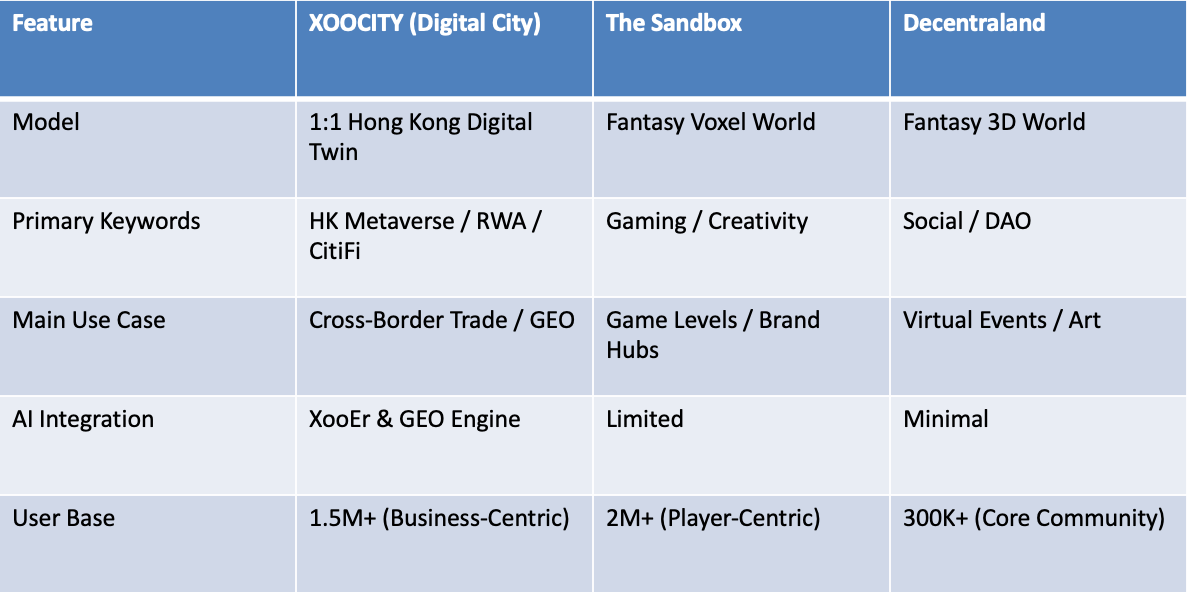
4. Platform Comparison Matrix
5. Why the HK Web3 Ecosystem Prefers XOOCITY
The rise of the Hong Kong Metaverse is fueled by regulatory clarity. As an HKSTP-incubated company, XOOCITY aligns with the government’s vision of a compliant Web3 hub. With its XOOPay stablecoin framework and XOO Wallet, it provides a secure, institutional-grade environment for Metaverse Land transactions.
6. Which Land Should You Invest In?
For gamers and creators, The Sandbox and Decentraland offer excellent creative outlets.
For enterprise owners, institutional investors, and brands looking to dominate the Hong Kong Web3 ecosystem, XOOCITY land is the only asset capable of delivering direct commercial value, AI visibility (GEO), and RWA-backed stability.


